
The PROLONG Difference
Why Die Casters Choose PROLONG
Every competitor serves a dozen industries. We serve one. That focus means engineers who only solve die-cast failure modes: heat checking, soldering, washout.
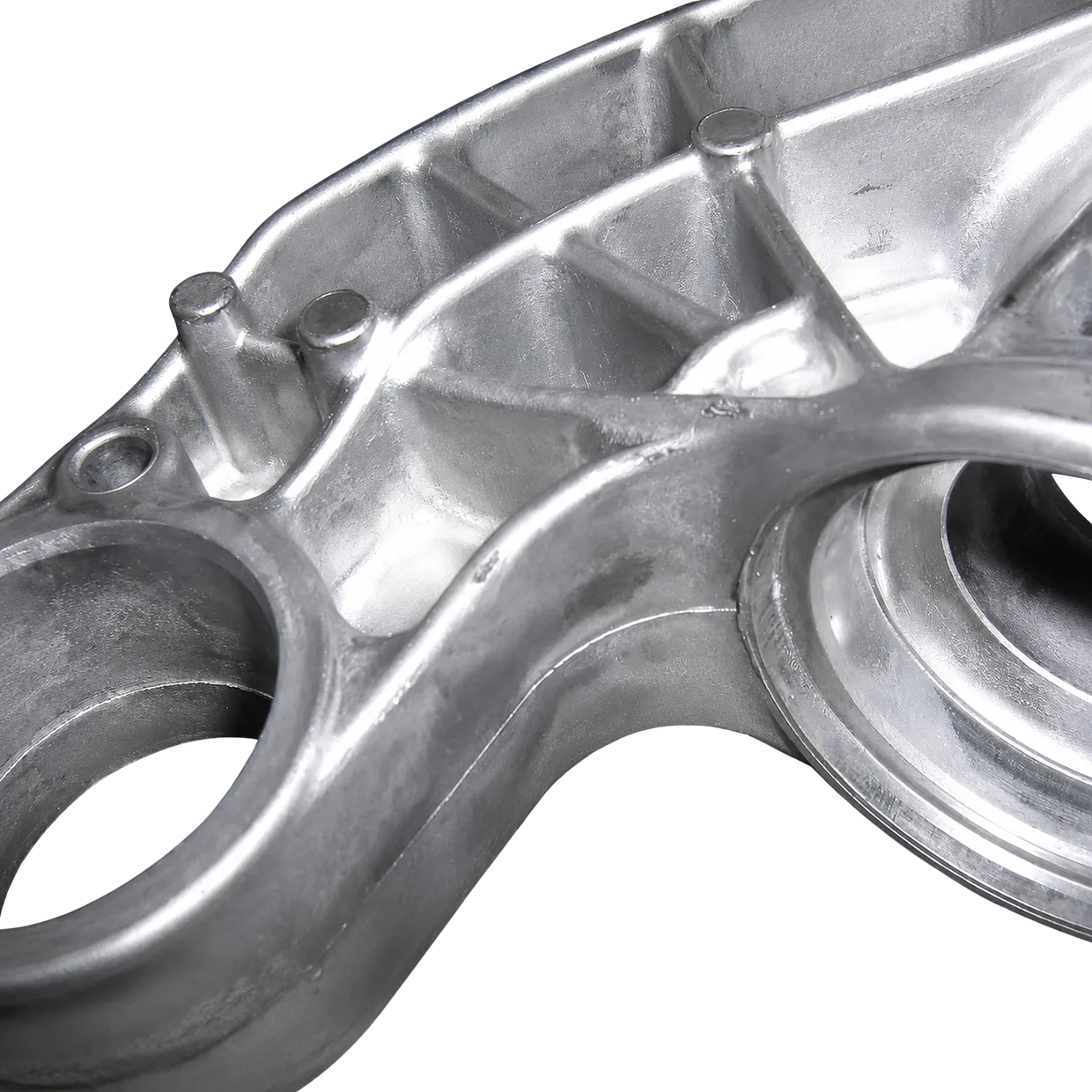
Focus Matters
Every Competitor Serves a Dozen Industries
Every competitor in the die cast tooling treatment space serves multiple industries: injection molding, forging, stamping, oil and gas, racing, military. Die casting is one line item on a long menu.
Dynablue serves 7+ verticals. Phygen lists 50+ applications. Oerlikon Balzers operates 100+ coating centers across 35 countries. Eifeler serves 6+ verticals. Their engineers split attention across dozens of applications with fundamentally different failure modes and material requirements.
PROLONG serves exactly one: die casting. R&D dollars, equipment investments, and engineer hires all focus on the specific challenges of die cast tooling: heat checking, soldering, and washout. When die casting is your only business, you develop expertise that generalists cannot match.
Process Comparison
Solvenite vs. Nitriding
| Feature | Solvenite → | Nitriding |
|---|---|---|
| White Layer | None (no brittle compound zone) | Yes (delaminates under thermal cycling) |
| Diffusion Type | Homogeneous via liquid bath | Compound zone with distinct layers |
| Weldability | Welds like normal steel | Cannot be welded after treatment |
| Mid-Life Treatment | Yes (rejuvenates existing tooling) | Not recommended |
| Size Change | Zero dimensional change | Measurable growth |
| Surface Finish | No change (no polishing needed) | Finish alteration requires rework |
| Process Temperature | Under 1000°F | 1,050°F+ |
| Internal Surfaces | All surfaces via liquid immersion | Line-of-sight only |
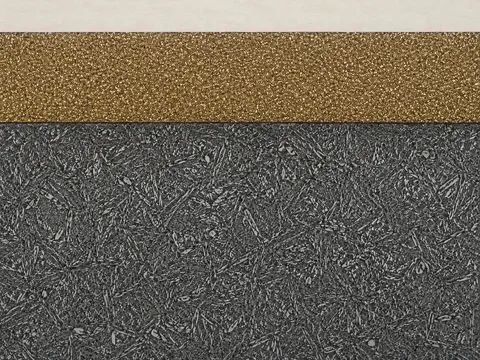

Cost Impact
Six Ways Solvenite Reduces Maintenance Costs
Reduced Heat Checking
Deep diffusion resists thermal fatigue cracking, reducing the frequency of polishing and repair cycles that pull dies from production.
Eliminated Soldering
Solvenite-treated surfaces resist aluminum adhesion, preventing the solder buildup that causes scrap parts and unplanned maintenance stops.
Extended Tool Life
Documented results show 4– to 10-times longer die life across customer applications, with fewer replacement dies and lower amortization per shot.
Lower Repair Frequency
Treated dies require fewer trips to the tool room between production runs.
Preserved Waterline Flow
The liquid bath process clears calcium deposits and corrosion from internal water lines during treatment, restoring cooling efficiency without separate maintenance.
Deferred Tooling Investment
Mid-life Solvenite treatment extends remaining tool life, deferring the capital cost of replacement tooling by months or years.
Next Step
See the Difference for Yourself
Send us a sacrificial insert and compare the results against your current treatment.